
The first thing I remember about the transformation wasn’t a medal or a deployment. It was the chow line.
Within two weeks, my proudly maintained 192 pounds melted to 172. Meals became tactical operations — four minutes for breakfast, five for lunch, seven for dinner. Every choice at the chow line was strategic. Never grab hot stew without doubling the rice — that stew would burn the shit out of your mouth before you could eat it, so you buried it in rice to cool it down enough to shovel in before time ran out.
Sleep deprivation turned simple tasks into monumental challenges. The absence of caffeine made every hour feel like three. By 5 AM, the screaming started again. The quarter-mile march to breakfast took an hour — a gaggle of civilians pretending to be military, saved only by a few prior-enlisted members who knew the basics. Four minutes to eat as a team. Four people to a table. Start together, finish together.
Time became elastic — stretching painfully during marches and compressing violently during meals.
I didn’t plan on it being this hard. I thought I knew what discipline was. But OTS accomplished its goal. It broke everybody down and turned them into a team like nothing I’d ever been part of. I thought I’d been on teams in baseball — good ones, championship ones. But this was different. These were brothers and sisters willing to die for one another. That wasn’t a slogan. It was a fact they’d earned through thirteen weeks of shared suffering that made everything before it feel like practice.
The Big Red One Returns
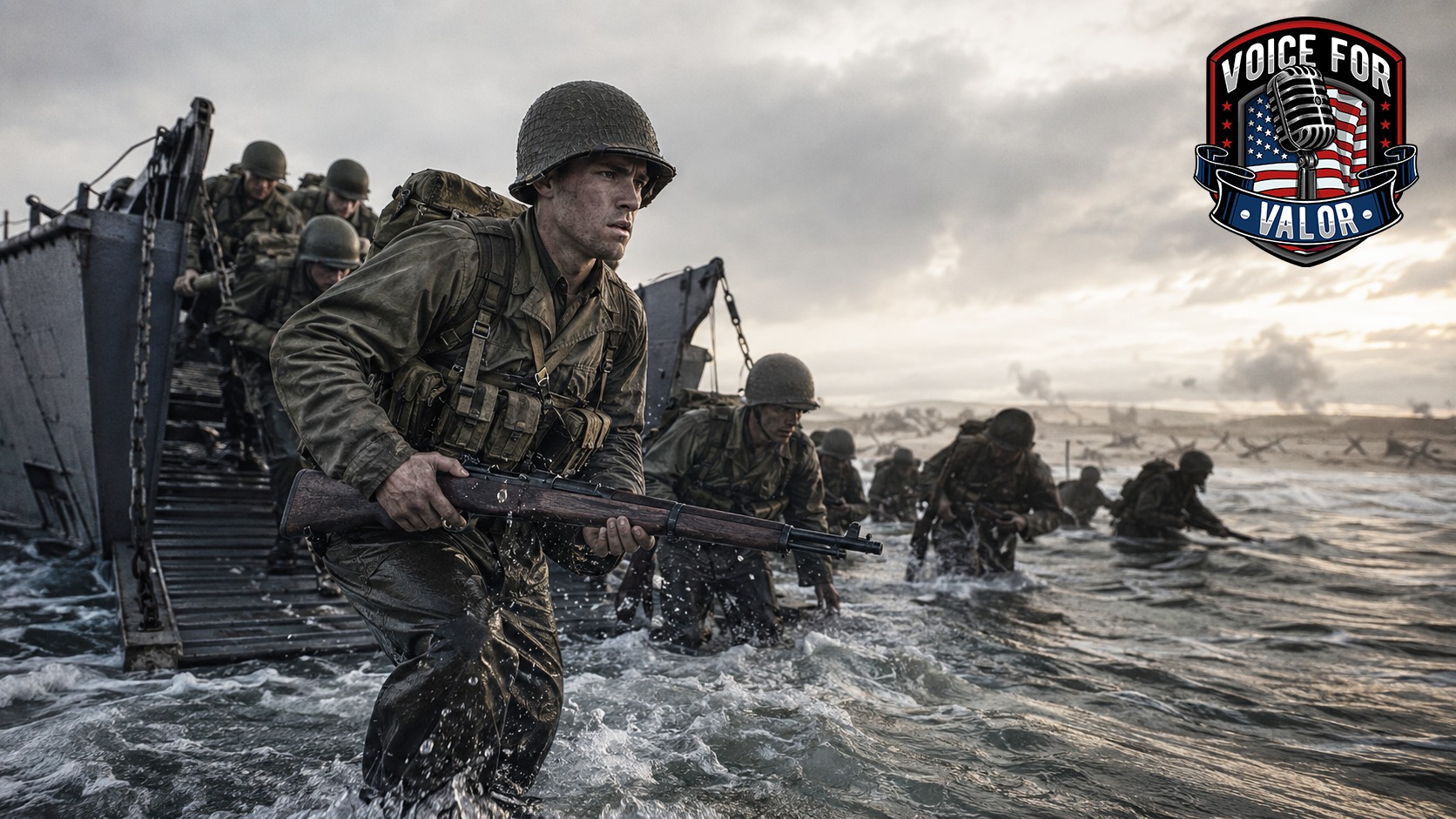
This week, I read about Soldiers from the 1st Infantry Division returning to Normandy for the 82nd anniversary of D-Day. They walked Omaha Beach and visited the Normandy American Cemetery. According to DVIDS, they went to study the battlefield and reflect on the division’s legacy.
Retired U.S. Army Col. Paul Herbert, former executive director of the First Division Museum, guided them. He told them the division succeeded because of leadership and training.
“D-Day was not won on June 6,” Herbert said. “It was won in the months and years beforehand through training, discipline and leadership. When the moment came, those Soldiers were ready.”
Reading that, I felt a pull in my chest. It’s the same pull I felt standing in that chapel twenty-three years later.
The news story highlighted how leadership, training, and initiative helped the Big Red One overcome immense challenges on June 6, 1944. It described how 1st Lt. Jimmie W. Monteith Jr. landed with the first assault waves, reorganized Soldiers under fire, and was posthumously awarded the Medal of Honor. But for me, the story wasn’t just about the beach. It was about the preparation.
The Weight of the Past
I remember. He still does.
That’s how I think about it sometimes. The training doesn’t end when you ship out. It ends when you stop carrying it.
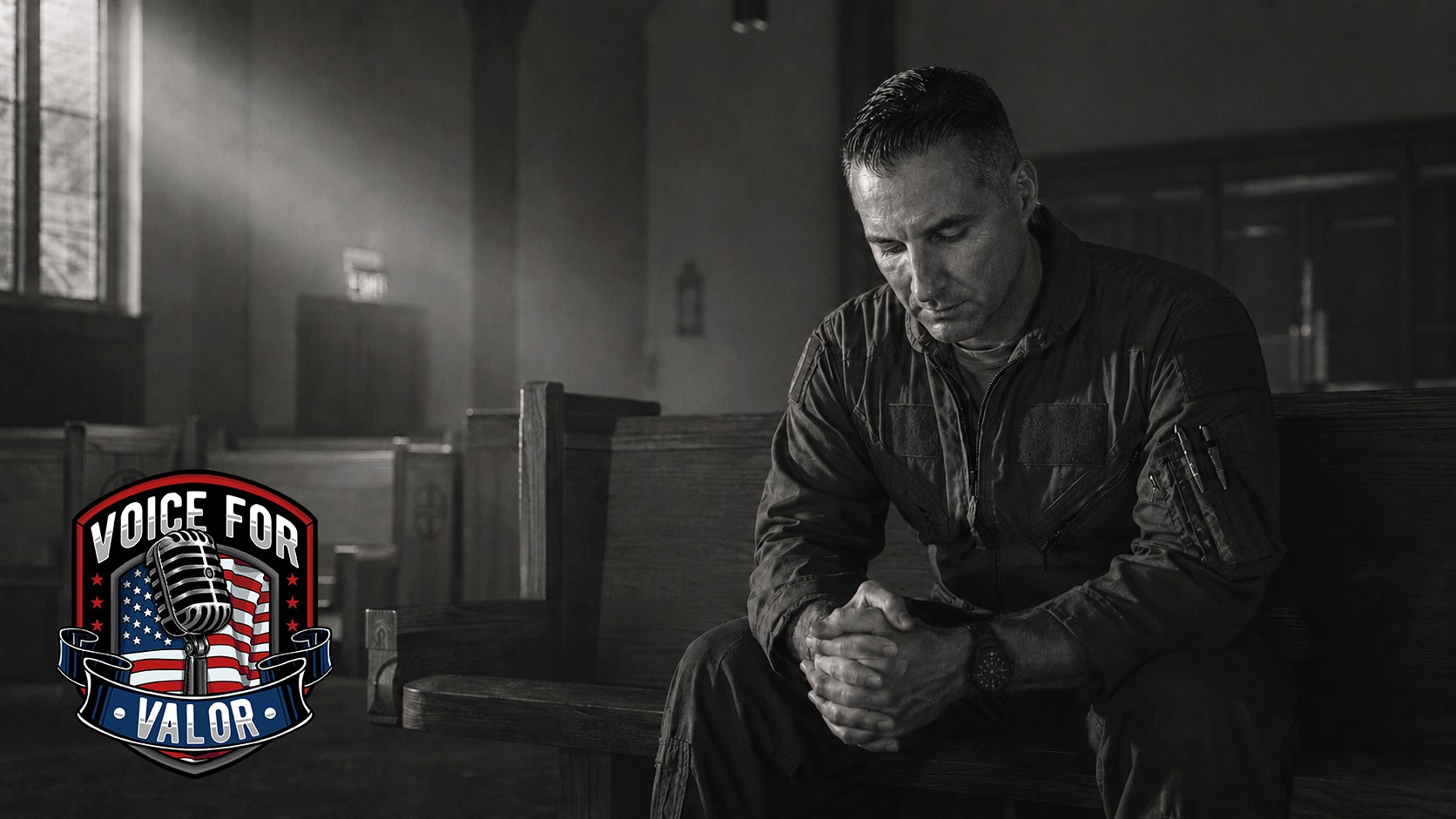
Twenty-three years later, attending a fellow OTS graduate’s retirement ceremony, I realized the full impact of those thirteen weeks. The bonds forged in that chapel, strengthened through shared suffering and triumph, had outlasted all the screaming, all the doubt, all the pain. They’d entered as civilians seeking direction. They emerged as warriors who’d found their purpose.
The Soldiers in Normandy are doing the same thing. They aren’t just looking at graves. They are looking at the result of the grind. The DVIDS report notes that before reaching shore, Soldiers endured rough seas, enemy artillery, and machine gun fire while packed into landing craft. Many landed far from their assigned locations, forcing small groups to adapt.
That adaptation? That’s the training kicking in.
When you are in the thick of it, you don’t think about the mission statement. You think about the person beside you. Herbert said the names on the monument represent more than individual acts of heroism. “When you look at those names, you’re looking at Soldiers who made a decision when it mattered most,” he said. “They weren’t thinking about medals. They were thinking about the mission and the Soldiers beside them.”
Carrying the Legacy
I didn’t land on Omaha Beach. I didn’t fight in the hedgerows. But I know the feeling of being broken down so you can be built up for something bigger.
The fighting on D-Day came at a tremendous cost. As Soldiers pushed through enemy defenses and advanced inland from Omaha Beach, many paid for that success with their lives or were wounded in the effort.
We carry that cost differently now. We carry it in the silence of a dinner table when a friend doesn’t show up. We carry it in the way we check the exits when we walk into a room.
Herbert encouraged Soldiers to think about what those men accomplished under impossible conditions. “Monteith knew the odds, and he kept moving forward anyway,” he said. “That’s the kind of leadership that inspires people.”
It’s not about the glory. It’s about the readiness. It’s about knowing that when the moment comes, you are ready because you did the work when no one was watching.
If This Is You
- Connect with your unit history: Reach out to your branch’s museum or historical office. Knowing where you fit in the lineage helps ground the identity shift.
- Find your “chow line” crew: Identify the people who know your grind. Whether it’s OTS classmates or first responders, keep those lines open.
- Reframe the memory: When the past hits, remind yourself that the training didn’t just prepare you for war; it prepared you for resilience in peace.
Follow Voice for Valor for veteran leadership writing that connects the grind to the legacy.